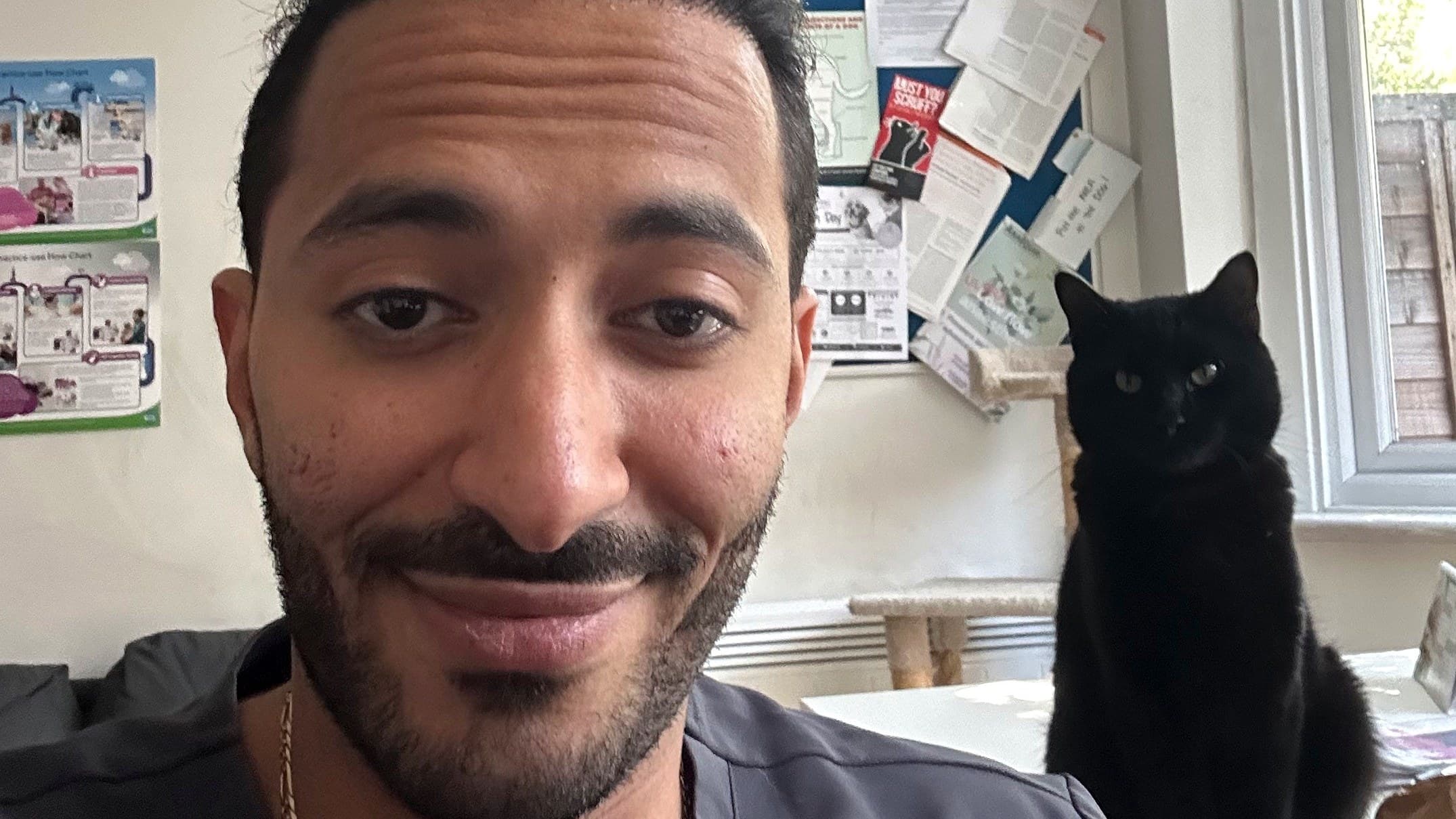
Emergency-trained vet, ready for days, nights and sole charge.
For years my emergency work meant arriving alone, with no one to call in and no equipment room down the corridor. Whatever the case needed had to be planned for in advance, so I learned to triage fast, think ahead, and make clear decisions with the resources in front of me.
That background makes me a steady pair of hands at any time of day. On nights I've managed urinary obstructions, suspected sepsis, respiratory distress, diabetic crises, and older patients with several systems failing at once. On days I bring the same calm to busy consult lists, routine surgery, vaccinations, chronic case management, and the emergencies that walk in between appointments.
Whether it's a packed Monday morning or a quiet night on call, I settle into a new practice quickly. I adapt to unfamiliar systems, work well alongside nurses and reception, keep the list moving, and leave clear notes and handovers so the next vet picks up exactly where I left off.
Most of this was sole charge: no second surgeon scrubbed in beside me.
The rest of it is what tells me whether surgery is even the answer.
Not all of it happens at the table.
A lot of the job happens in conversation rather than at the table: what a prognosis actually means, when treatment has reached its limit, whether euthanasia tonight is kinder than treatment that only delays the same decision by three weeks. I try to say those things plainly. Vague kindness just prolongs the deciding.